
Frederic W. H. Myers: Psychical Research and the Question of Survival
Frederic W. H. Myers was one of the most important early thinkers in the study of life beyond the body. Best known as a co-founder of the Society for Psychical Research, he tried to examine unusual mental and spiritual phenomena with greater seriousness and intellectual discipline. His work stood at the meeting point of psychology, philosophy, and questions about the afterlife.
Unlike many figures associated with sensational séances or public spectacle, Myers approached these subjects through study, reflection, and comparison of evidence. He was deeply interested in dreams, inspiration, apparitions, and the possibility that human consciousness might continue after death. For that reason, he remains an important figure not only in the history of psychical research, but also in the broader conversation about the soul and survival.
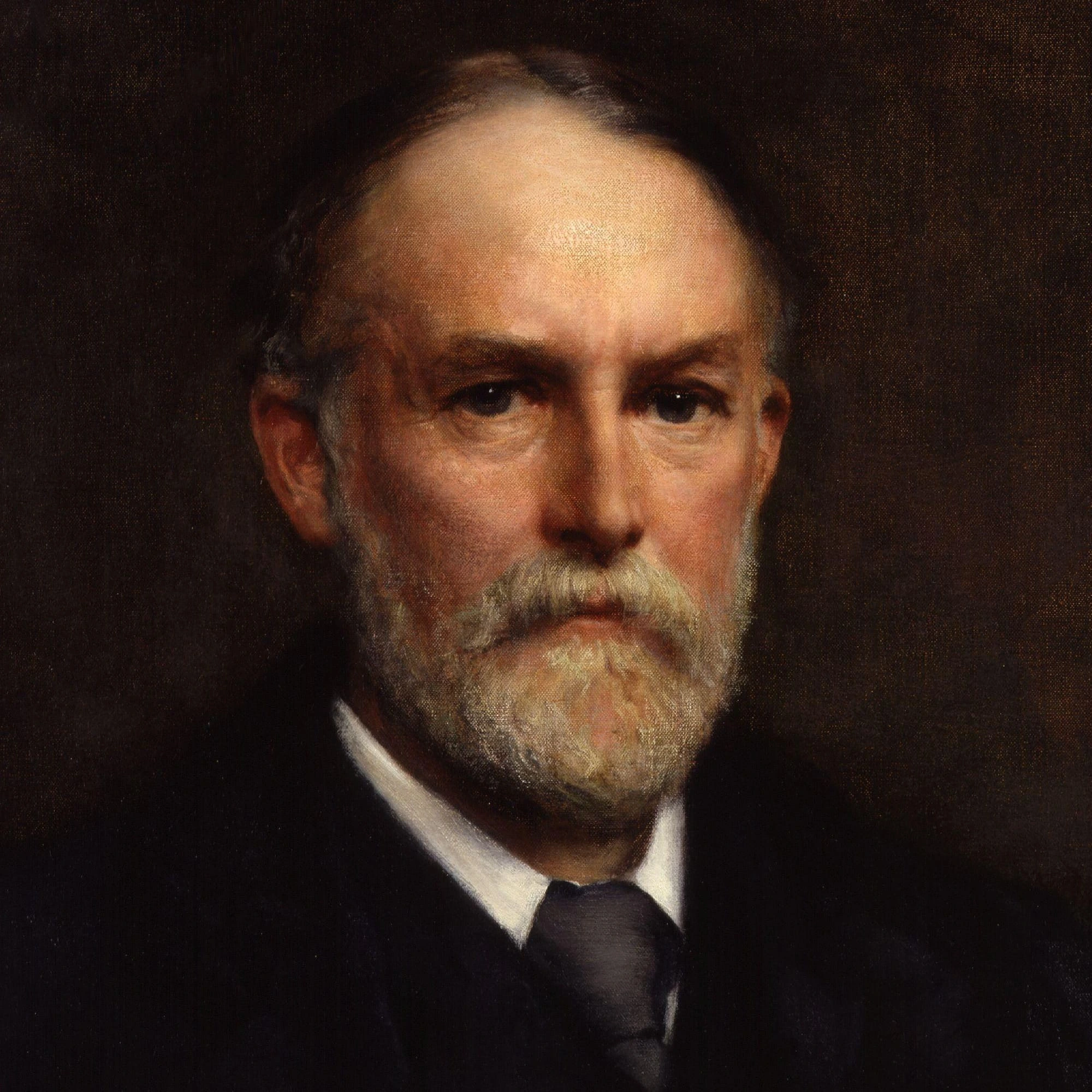
A scholar drawn to unseen questions
Myers was not originally known as a spiritual writer. He was educated in the classical tradition and was active as a poet, critic, and essayist. Yet over time, his attention increasingly turned toward questions that ordinary materialist explanations seemed unable to resolve.
He became interested in phenomena such as dreams, trance states, unusual perceptions, and experiences that appeared to suggest the action of intelligence beyond the visible world. Rather than dismissing such reports automatically, he believed they deserved careful study.
This made Myers unusual for his time. He stood between the world of literature and the world of investigation, trying to treat extraordinary experiences without reducing them either to blind belief or to simple ridicule.
The Society for Psychical Research
In 1882, Myers became one of the founders of the Society for Psychical Research, an organization created to examine reported psychic and spiritual phenomena in a more disciplined way. Its members wanted to investigate claims of apparitions, trance communication, haunted experiences, and mental impressions that seemed to go beyond the ordinary senses.
For Myers, this work was not merely a curiosity. He believed that certain cases might reveal real facts about the human mind and perhaps even about the continued existence of the individual after bodily death. In that sense, his work often moved close to questions that also concern Spiritism, even though his approach was not the same as Kardec’s doctrinal framework.
He was especially interested in whether carefully examined cases could help clarify the reality of the spiritual world and the persistence of personality beyond physical life.
The hidden depths of consciousness
One of Myers’s most influential ideas was that human consciousness is far wider than ordinary waking awareness. He argued that much of mental life remains below the surface and that this deeper level may contain powers, perceptions, and memories not normally accessible.
This attempt to describe a wider hidden mind made his thought important even outside explicitly spiritual discussions. He explored whether dreams, intuition, automatic writing, and other unusual states might reveal layers of the self that daily consciousness usually conceals.
From a Spiritist point of view, some of these reflections can be compared to ideas such as the Emancipation of the Soul, in which the soul may act with greater freedom from bodily limitation under certain conditions.
Interest in survival after death
Myers is remembered above all for his intense interest in whether the human being survives death. He did not treat this as a sentimental hope, but as a question that might be approached through serious accumulation of testimony and analysis.
He studied reports of apparitions, crisis experiences, mediumistic communications, and unusual mental impressions in an attempt to determine whether they pointed toward personal survival. He was not satisfied with easy conclusions, yet he believed the question was too important to ignore.
His investigations often touched themes closely related to communication with spirits, although he remained cautious about interpretation. Not every strange event, in his view, proved direct contact with the dead. Still, he considered that some cases deserved real attention.
A bridge between psychology and spiritual inquiry
What makes Myers especially significant is that he helped create a bridge between psychological study and spiritual inquiry. He did not simply ask whether spirits exist. He also asked how the human mind functions, how perception changes in altered states, and how inner experience might relate to realities beyond the body.
This gave his work a broader influence than that of many other nineteenth-century investigators. He contributed to a style of inquiry that tried to remain intellectually serious while still leaving room for profound questions about the destiny of the human being.
In that sense, Myers belongs to a group of thinkers who helped make discussion of the unseen more rigorous, even when certainty remained difficult.
Critical perspective
Myers remains an important but debated figure. Admirers see him as a courageous thinker who took difficult questions seriously at a time when many preferred either dogmatic religion or strict materialism. Critics argue that research into exceptional experiences can easily move beyond what evidence can securely support.
That tension is part of why his legacy still matters. He did not provide a final solution to the mystery of survival, but he helped frame the question in a more structured and thoughtful way.
From a Spiritist perspective, his work is valuable above all when approached with discernment. Reports, impressions, and unusual communications must always be judged carefully, especially with regard to the quality of spirit communications.
Why Frederic W. H. Myers still matters
Frederic W. H. Myers still matters because he tried to take one of humanity’s oldest questions and examine it with seriousness: does consciousness survive death?
He did not reduce that question to spectacle, nor did he dismiss it as unworthy of inquiry. Instead, he treated it as a subject demanding patience, intelligence, and intellectual honesty. For readers interested in the relationship between mind, spirit, and immortality, Myers remains a figure of lasting importance.