
Personalities in spiritualism
Important Figures in Spiritism and Afterlife Research
Some individuals shaped Spiritism directly. Others helped expand the wider discussion about the soul, consciousness, mediumship and the possibility of life after death.
This page introduces important figures whose ideas, writings, experiences or research influenced how these subjects are understood today.
It is not a complete encyclopedia. Instead, it is a curated guide to some of the most relevant names for readers exploring Spiritism, spiritual philosophy, mediumship and afterlife research.
Founders of Spiritism
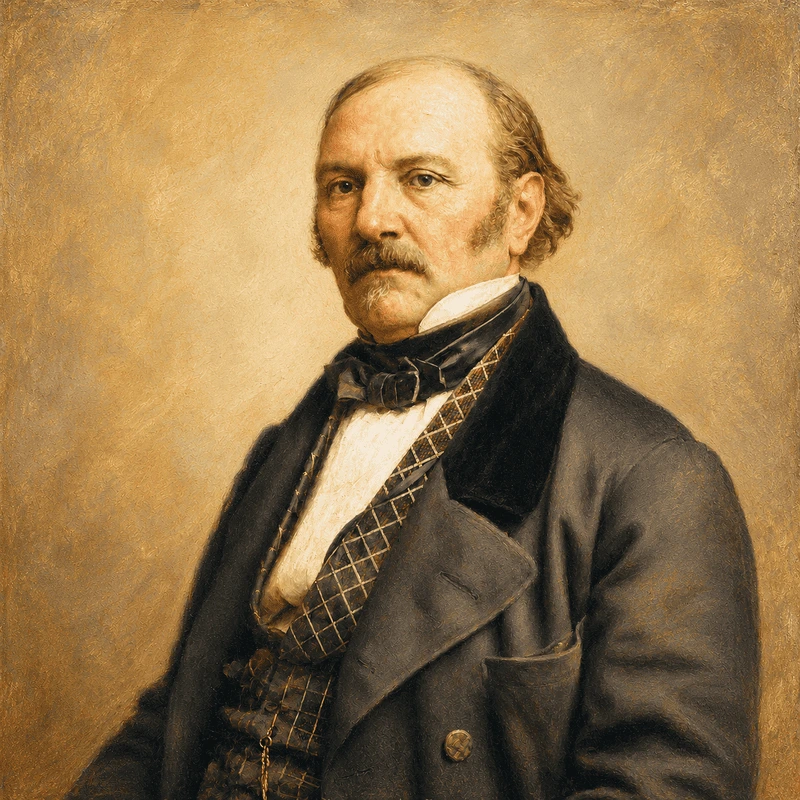
Allan Kardec
Allan Kardec is the central figure of Spiritism. He organized spirit communications into a coherent philosophical and moral framework and laid the foundations of modern Spiritist thought.
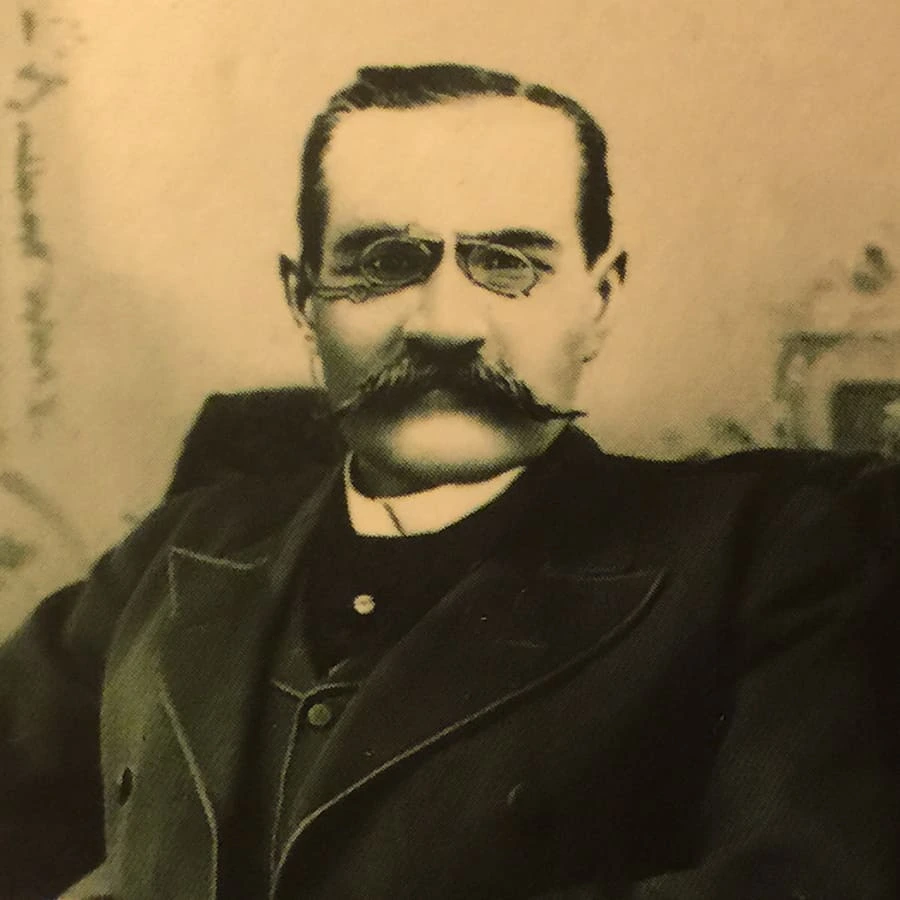
Léon Denis
Léon Denis helped develop and defend Spiritist philosophy after Kardec. His writings focused on the destiny of the soul, moral progress and the spiritual meaning of human life.
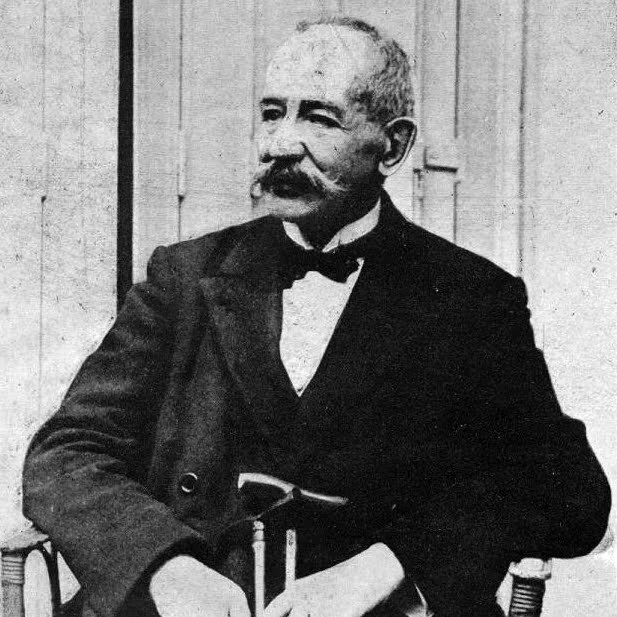
Gabriel Delanne
Gabriel Delanne is known for presenting Spiritism in a more analytical and evidence-based way. He worked to defend the survival of the soul and psychical phenomena through reasoned argument.
Spiritist mediums
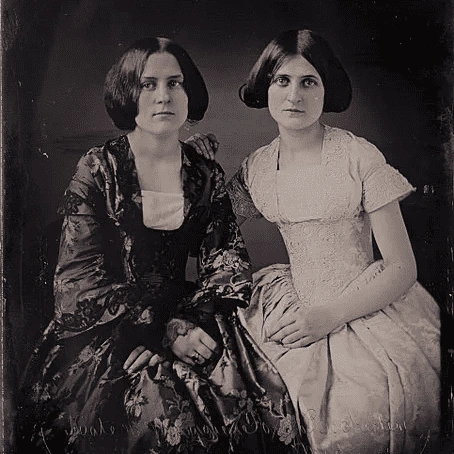
Kate and Margaret Fox
Kate and Margaret Fox are associated with the events in Hydesville in 1848 that helped give rise to modern Spiritualism. Their story combines the origins of spirit communication with controversy and personal struggle.
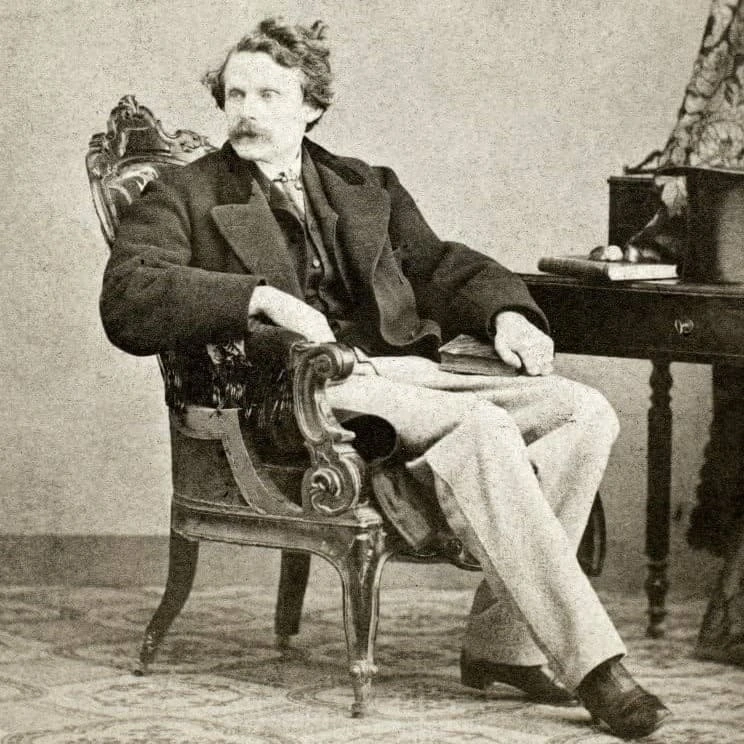
Daniel Dunglas Home
Daniel Dunglas Home is one of the most documented physical mediums in history. His reported phenomena, including levitation and movement of objects, were observed by scientists and remain important in discussions about physical mediumship.
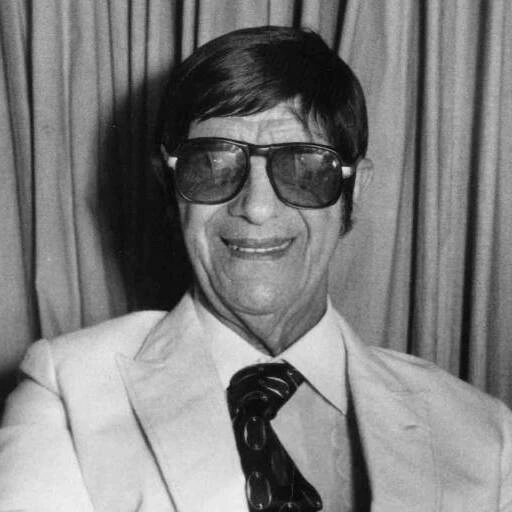
Chico Xavier
Chico Xavier became one of the best known Spiritist mediums in Brazil. He was associated with a vast number of psychographed texts and with a life marked by humility, charity and devotion.
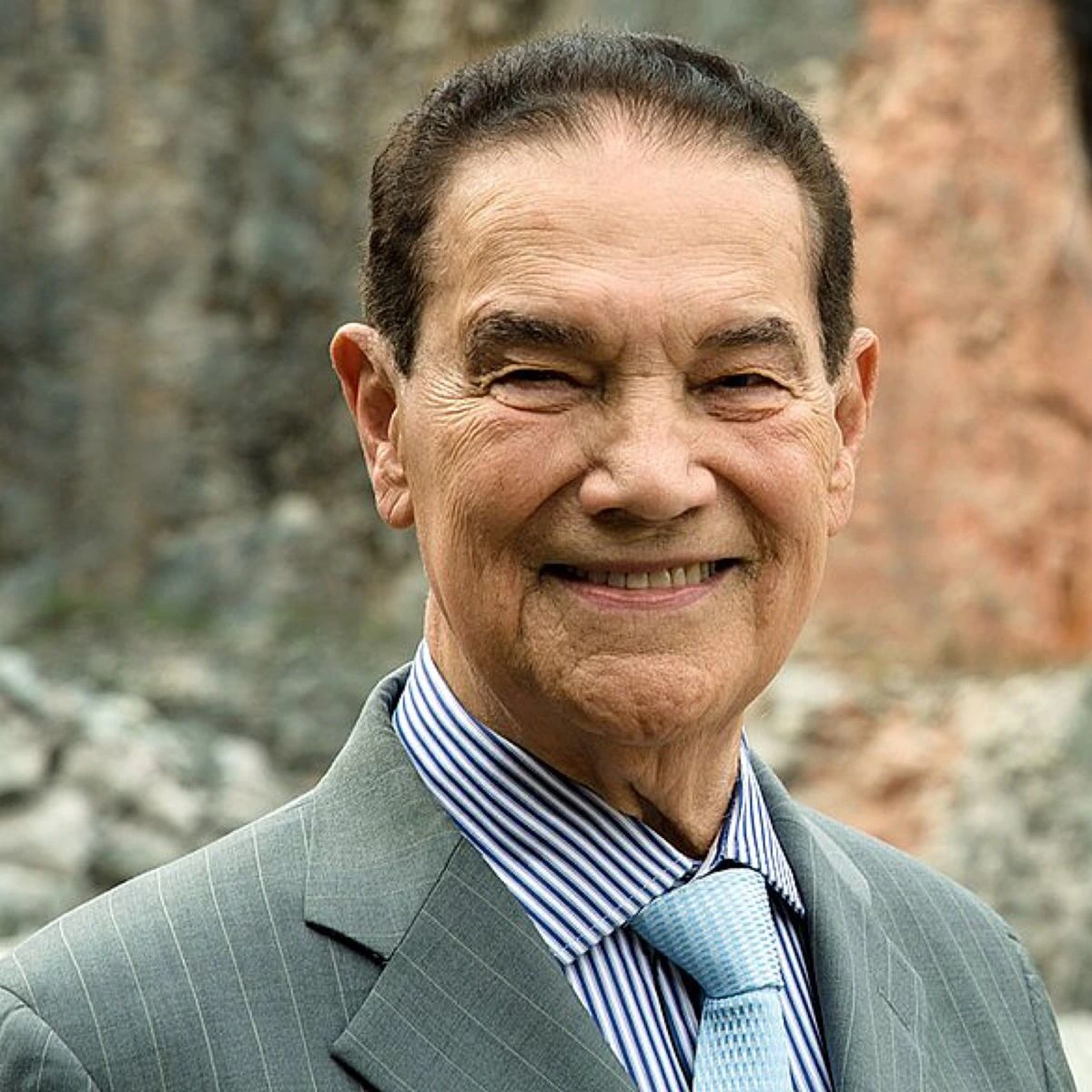
Divaldo Franco
Divaldo Franco is a major Spiritist speaker and medium whose influence reached far beyond Brazil through lectures and educational work focused on moral and spiritual development.
Scientists and researchers
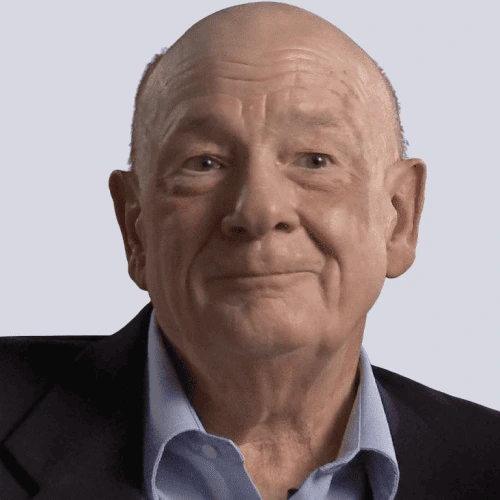
Raymond Moody
Raymond Moody brought near-death experiences into mainstream discussion and helped shape modern interest in consciousness after death.
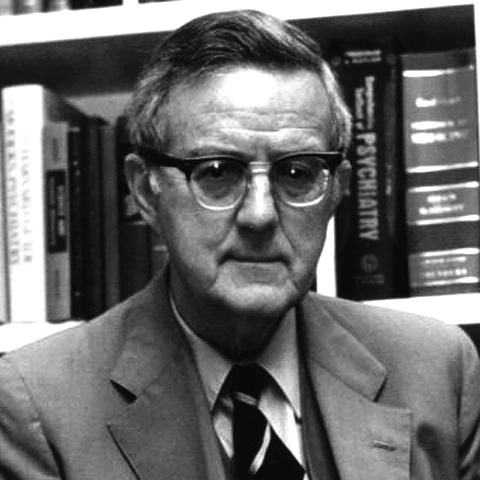
Ian Stevenson
Ian Stevenson is known for his research into children who reported memories of previous lives, contributing to serious discussion about reincarnation.
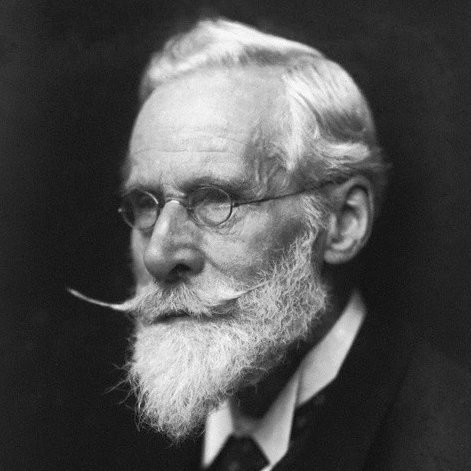
William Crookes
William Crookes was a respected scientist who investigated mediumship and physical phenomena, representing an early attempt to connect scientific inquiry with unexplained experiences.
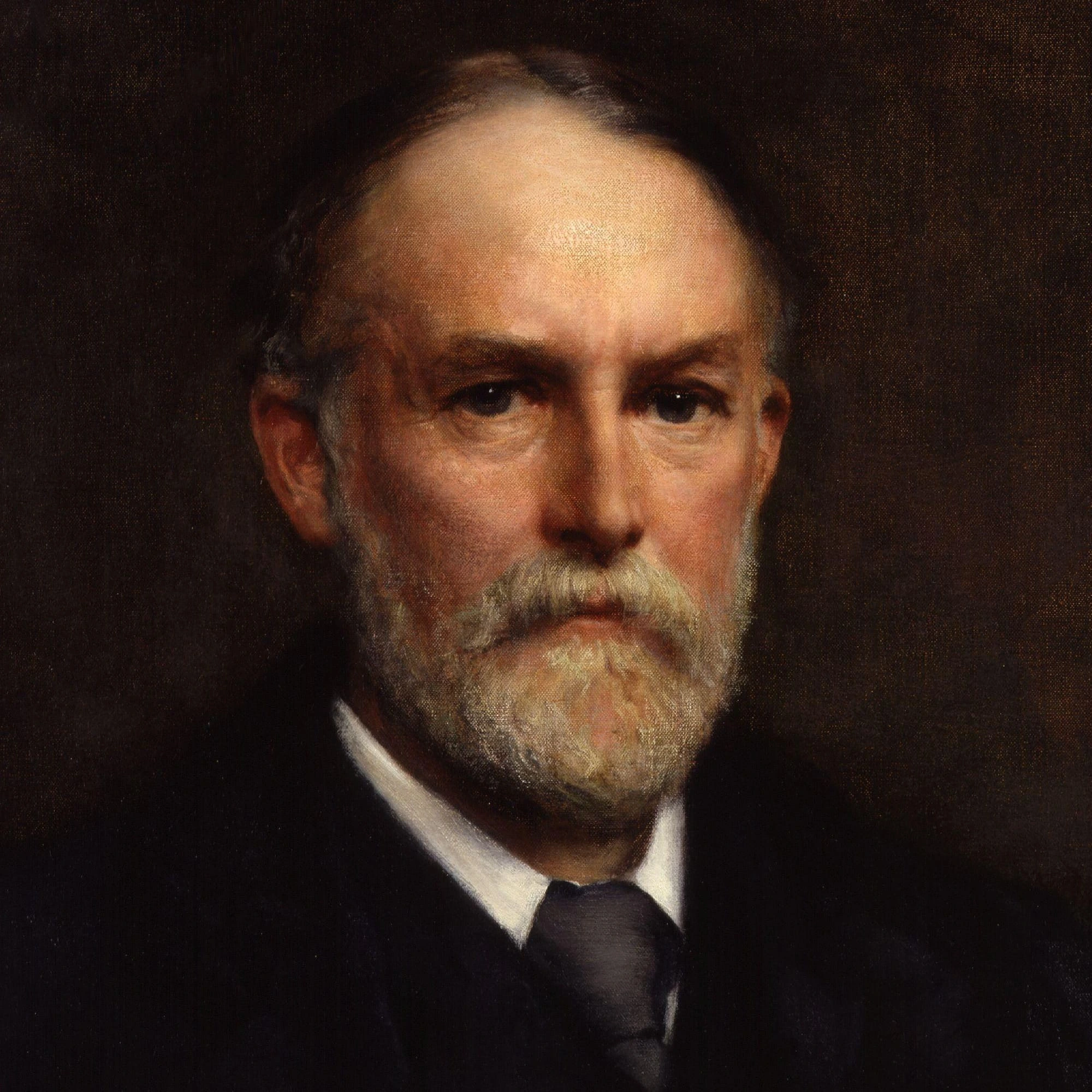
Frederic W. H. Myers
Frederic W. H. Myers explored the subconscious mind and the possibility of survival after death, becoming a key figure in early psychical research.
Mystics and precursors
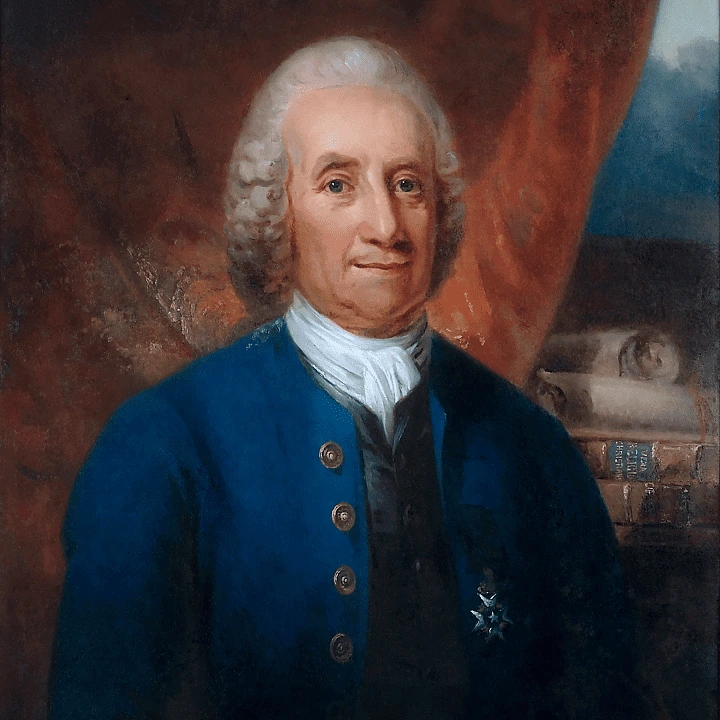
Emanuel Swedenborg
Emanuel Swedenborg lived before the codification of Spiritism, yet his visions and descriptions of the spiritual world influenced later discussions about the soul, spirits and life after death.
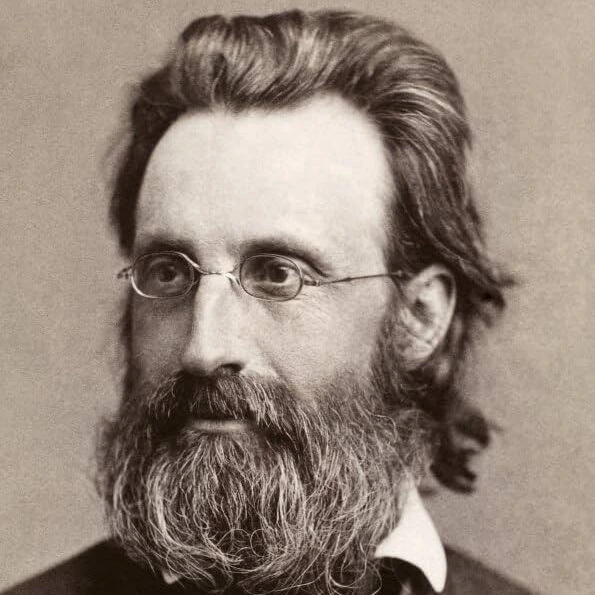
Andrew Jackson Davis
Andrew Jackson Davis is often linked to early spiritualist thought in the English-speaking world. His writings and visions contributed to the broader nineteenth-century interest in communication with spirits and spiritual philosophy.
How to use this section
You can explore these figures in different ways. Some are essential for understanding Spiritism itself, especially Allan Kardec and his successors. Others are valuable for readers interested in mediumship, reincarnation, near-death experiences or the wider question of whether consciousness survives physical death.
Each profile includes a short introduction, the person’s main contribution and selected books either written by them or closely associated with their life and work.