
Léon Denis and the Moral Philosophy of Spiritism
Léon Denis was one of the most important continuators of Allan Kardec. While Kardec established the structure of Spiritism, Denis focused on deepening its philosophical and moral dimension.
His writings explore the destiny of the soul, the meaning of human life, and the role of suffering, progress, and responsibility within a broader spiritual framework.
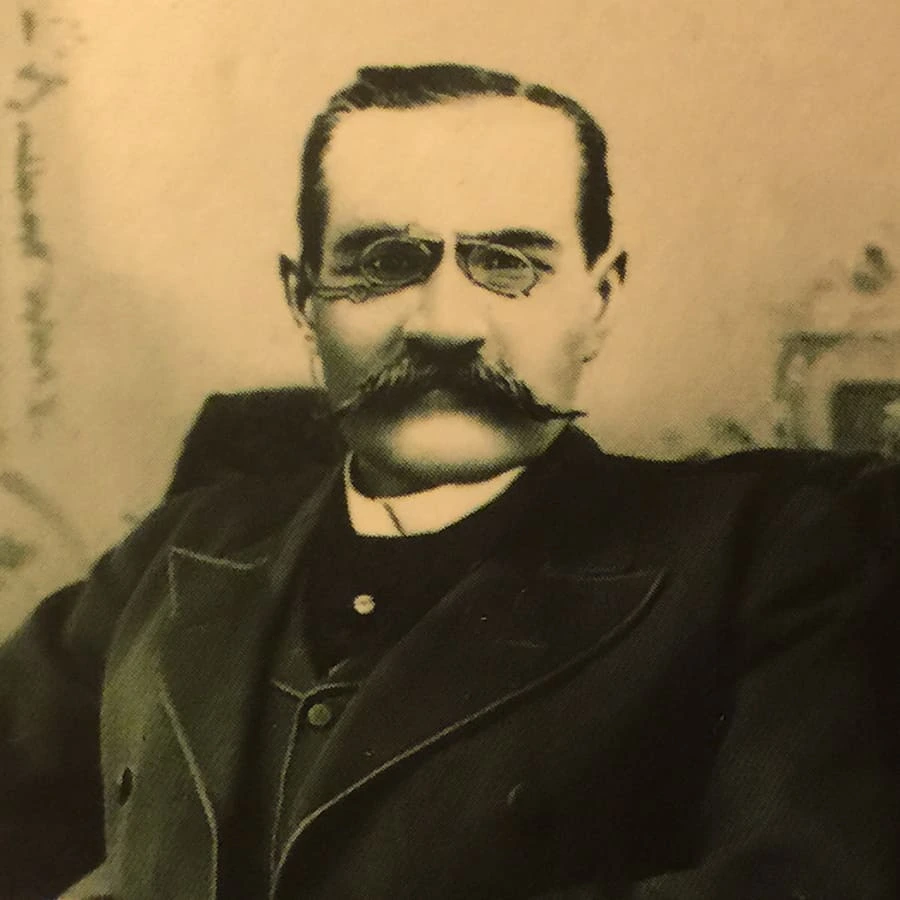
Who was Léon Denis?
Léon Denis was a French philosopher and writer who became one of the key voices of Spiritism after the death of Allan Kardec. Unlike Kardec, who approached the subject with a methodological and investigative mindset, Denis wrote in a more reflective and philosophical style.
He dedicated his life to explaining Spiritist ideas in a way that connected them with everyday human experience. His work often focuses less on phenomena and more on meaning—what life is for, why suffering exists, and how the individual can progress.
From doctrine to philosophy
If Kardec provided the structure of Spiritism, Denis helped give it depth. He emphasized that Spiritism is not only about communication with spirits, but about understanding the purpose of existence.
For Denis, the central question was not whether spirits exist, but what that implies for human life. If the soul survives, then life must be understood as part of a longer process of development.
The idea of progress
One of Denis’ central themes is moral progress. He argued that the value of life lies not in external success, but in inner transformation.
Human beings evolve through experience, effort, and responsibility. Difficulties are not meaningless; they are part of a larger process that allows the individual to grow and refine their character.
This view connects closely with the law of cause and effect, which explains how actions shape future experiences across time.
Suffering and meaning
Denis devoted much of his work to the question of suffering. Rather than seeing it as punishment, he interpreted it as part of a process of learning and development.
From this perspective, human life is not random. Events, difficulties, and relationships are connected to a broader moral order, even if that order is not immediately visible.
This interpretation aligns with Spiritist ideas about reincarnation and the continuity of existence beyond a single lifetime.
Inner transformation
For Denis, knowledge alone was not enough. True understanding had to lead to change. He emphasized the importance of moral reform—the conscious effort to improve one’s character and overcome selfishness, pride, and harmful tendencies.
This focus on inner work makes his writing less about phenomena and more about personal responsibility. Spiritism, in his view, is not something to observe, but something to live.
Connection to Spiritist ideas
Léon Denis remained closely aligned with Kardec’s original framework, but he shifted the emphasis from observation to reflection. He helped clarify how concepts such as the soul, reincarnation, and progress relate to everyday human experience.
In doing so, he made Spiritism more accessible as a philosophy of life, not only as a study of phenomena.
Why Léon Denis still matters today
Léon Denis remains important because he addressed questions that are still relevant: Why do we live? What is the purpose of suffering? How should we act if life continues beyond death?
His work provides a bridge between doctrine and lived experience. For readers seeking not only to understand Spiritism, but to apply its ideas, Denis offers a deeper and more personal perspective.
Selected writings
- After Death – a philosophical exploration of life, death, and the destiny of the soul
- The Problem of Being and Destiny – a deeper analysis of existence, purpose, and spiritual development
- The Invisible World – reflections on spiritual reality and unseen dimensions of life