
Raymond Moody and Near-Death Experiences
Raymond Moody is an American psychiatrist and philosopher best known for introducing the concept of near-death experiences to a global audience. His work helped bring serious attention to the question of the afterlife and the possibility that consciousness may exist independently of the physical body.
Although not part of classical Spiritism, Moody’s research intersects with many of its central questions, especially those concerning the survival of the soul and the continuity of conscious existence after death.
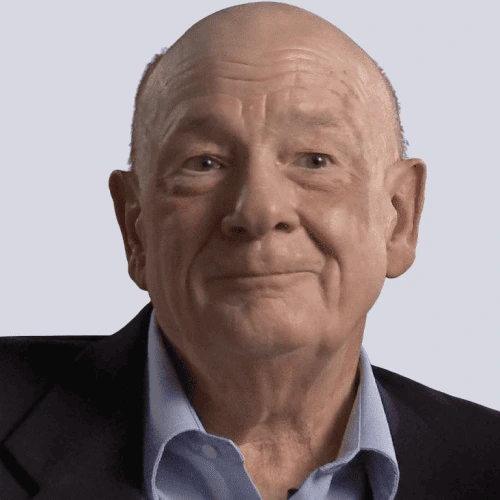
Who is Raymond Moody?
Raymond Moody was trained in philosophy and medicine, which allowed him to approach extraordinary human experiences with both analytical thinking and openness to testimony. He became widely known after collecting and comparing accounts from people who had been clinically dead or very close to death and later described vivid, structured experiences.
These reports were not isolated curiosities. Moody noticed that many of them shared recurring elements, which led him to treat the phenomenon seriously rather than dismiss it as random confusion or fantasy.
What are near-death experiences?
Near-death experiences, often called NDEs, refer to experiences reported by people who came close to death or temporarily lost vital signs and later recovered. Moody identified several recurring features in these testimonies:
- A sensation of leaving the physical body
- Movement through darkness or a tunnel
- Encountering light or a spiritual presence
- A review of one’s life
- A deep sense of peace, clarity, or detachment from the body
These reports raised fundamental questions about whether consciousness can continue when the brain and body are near collapse. For readers interested in the survival of the soul, Moody’s work became one of the most accessible entry points into the subject.
Main contribution
Moody’s most important contribution was not that he “proved” life after death, but that he gave shape, language, and public visibility to a body of experiences that many people had previously been afraid to discuss. His work made near-death experiences part of a broader intellectual and cultural conversation.
By organizing these testimonies into recognizable patterns, he showed that the phenomenon deserved attention from both researchers and thoughtful readers. In that sense, he did for near-death experiences what other thinkers did for different spiritual questions: he transformed scattered personal reports into a recognizable field of inquiry.
Connection to Spiritism
Raymond Moody is not a Spiritist author in the strict sense, and his work should not be confused with Kardec’s systematic study of mediumship. However, his research naturally overlaps with Spiritist concerns, because both explore whether human individuality survives death and whether consciousness extends beyond the material body.
The difference lies mainly in method. Kardec focused on communications attributed to spirits through mediums, while Moody focused on first-person accounts from people who passed through extreme states near death and then returned. These two paths are different, but they converge around the same enduring question: does personal existence continue after bodily death?
Critical perspective
Near-death experiences remain controversial. Skeptics argue that they may be caused by brain states under extreme stress, lack of oxygen, medication effects, or psychological mechanisms. Others point out that cultural background may shape how such experiences are interpreted and described.
Moody did not present NDEs as final proof. Instead, he presented them as a serious challenge to purely materialist explanations of consciousness. That more careful position is one reason his work continues to be discussed rather than dismissed.
Why Raymond Moody still matters today
Raymond Moody still matters because he helped make the discussion of death more thoughtful and less superficial. He brought dignity to experiences that many people had hidden for fear of ridicule, and he opened a wider conversation about consciousness, identity, and what may continue beyond physical life.
For a site concerned with Spiritism, life after death, and the deeper nature of human existence, Moody is important not because he belongs to Kardecist doctrine, but because he widened the modern conversation about the afterlife in a way that remains influential today.
Selected writings
- Life After Life – the first major book that brought near-death experiences to a wide audience
- The Light Beyond – a continuation of his reflections on near-death experiences and their meaning
- Reflections on Life After Life – further philosophical exploration of death and consciousness